NASA confirms aging telescope will crash back to Earth within days
Summary
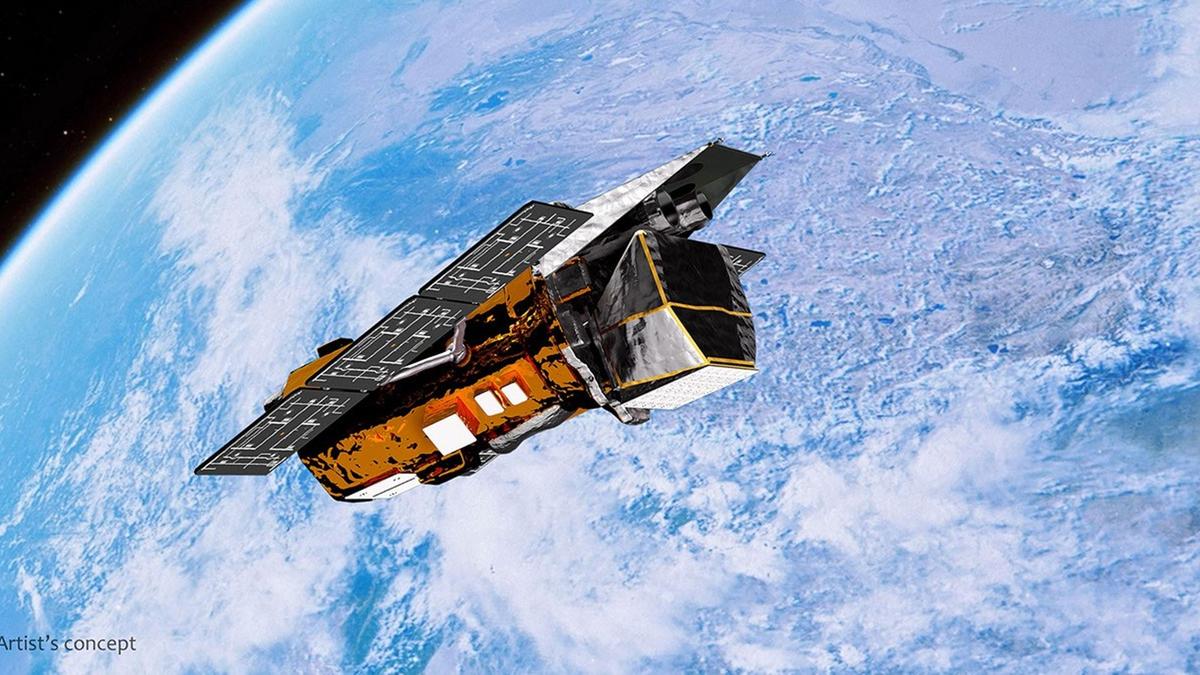
NASA’s Neil Gehrels Swift Observatory, a 1.5‑ton space telescope launched in November 2004, is expected to re‑enter Earth’s atmosphere on or around Friday, Oct. 30, 2026. The orbit decayed faster than anticipated after intense solar activity expanded the upper atmosphere. A rescue attempt using the LINK servicing spacecraft failed when LINK could not approach closer than 12‑15 km and re‑entered in September 2026. Most of Swift will burn up, though denser parts may survive and fall into ocean regions.
Why it matters
The re‑entry marks the end of a long‑running scientific platform that has advanced astrophysics, prompting discussions about extending the life of aging satellites. Space‑policy makers consider how to fund future rescue missions, while environmental groups monitor potential debris impacts on marine ecosystems.
Sources (6)
- NASA telescope set to crash back to Earth after failed rescue; India in possible debris zone Mathrubhumi English
- Nasa Swift telescope set to crash back to Earth, India among regions in debris path The Times Of India
- NASA telescope on verge of plunging back to Earth after failed rescue mission The Hindu
- NASA telescope is on the verge of plunging back to Earth after failed rescue mission Breitbart
- NASA’s Swift telescope is falling back to Earth, but its science will live on Interesting Engineering
- NASA telescope about to plunge back to Earth after 22 years in orbit, failed rescue mission The Globe and Mail